Table of Contents >> Show >> Hide
- What are CBD drinks, exactly?
- How CBD drinks work in your body
- Potential benefits of CBD drinks (and what we actually know)
- Risks, side effects, and safety concerns
- Are CBD drinks legal in the United States?
- How to read a CBD drink label like a pro
- Who should be extra cautious with CBD drinks?
- Smart tips for trying CBD drinks safely
- Real-world experiences with CBD drinks
- Bottom line
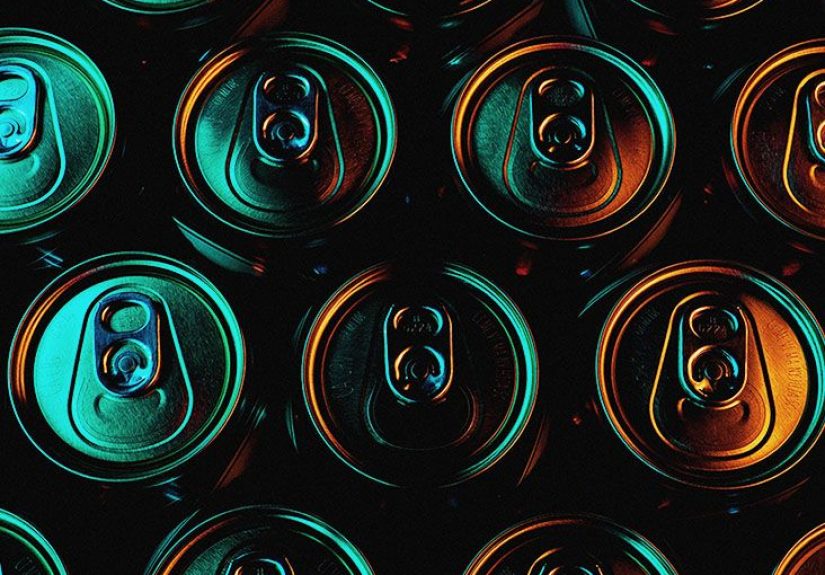
CBD drinks are everywhere right now in grocery store coolers, at chic coffee shops, even in “relaxation” vending machines. One minute you’re just grabbing a sparkling water, the next you’re staring at a can that promises “calm,” “focus,” and “better sleep” thanks to cannabidiol (CBD). But what actually is in these CBD beverages, how do they work, and are they really as chill as the packaging claims?
Let’s break down what you need to know about CBD drinks before you crack open that trendy can: what’s in them, potential benefits and risks, how the law treats them, and smart tips for trying them safely.
What are CBD drinks, exactly?
CBD (short for cannabidiol) is one of the many compounds found in the cannabis plant. Unlike THC (tetrahydrocannabinol), CBD is not intoxicating it doesn’t give you the classic “high” associated with marijuana. Instead, it interacts with the body’s endocannabinoid system, which plays a role in functions like mood, sleep, pain, and inflammation.
CBD drinks are simply beverages infused with CBD, usually derived from hemp (legally defined in the United States as cannabis with no more than 0.3% delta-9 THC by dry weight). These beverages come in a wide range of formats, including:
- Sparkling waters and seltzers flavored with citrus, berries, or botanicals.
- Ready-to-drink teas and coffees, sometimes combined with other calming herbs.
- Sports and recovery drinks marketed for post-workout relaxation or “muscle support.”
- CBD “cocktails” or mocktails meant as alcohol alternatives.
- Powder sticks or drink drops you can add to regular water or juice.
Typical CBD drinks contain anywhere from about 5–30 mg of CBD per serving, with many products landing around 10–25 mg. That’s significantly less than the very high doses used in some prescription and research settings, but still enough to raise safety and interaction questions for some people.
How CBD drinks work in your body
When you drink a CBD-infused beverage, the cannabidiol is absorbed through your digestive system and then processed by the liver. From there, it enters your bloodstream and can interact with various receptors involved in pain, inflammation, mood, and sleep regulation.
Several things influence how a CBD beverage may affect you:
- Dose: Higher milligram amounts generally lead to stronger effects and potentially more side effects.
- Type of CBD: Is it isolate, broad-spectrum, or full-spectrum (which can contain trace THC and other cannabinoids)?
- Your body: Weight, metabolism, genetics, and gut health all play a role.
- Other medications: CBD is metabolized by liver enzymes that are also involved with many prescription drugs.
- What you eat and drink: Taking CBD with a high-fat meal, for example, can increase how much your body absorbs.
Unlike many THC beverages that can cause noticeable intoxication, CBD drinks are more often described as providing a subtle sense of relaxation or, for some people, no noticeable effect at all. Others may experience side effects like drowsiness or digestive upset.
Potential benefits of CBD drinks (and what we actually know)
CBD is frequently marketed as a cure-all, but the science is more nuanced. A prescription form of CBD is approved by the FDA for certain seizure disorders at much higher doses than you’ll find in beverages. For common wellness claims like better sleep, less pain, or lower stress, the evidence from human studies is still limited and evolving.
That said, early research and user reports suggest a few possible areas of benefit:
1. Stress and anxiety support
Many people reach for CBD drinks as a “liquid calm” after work or as a social drink that doesn’t involve alcohol. Some small studies suggest that CBD may help reduce anxiety in certain settings, such as public speaking, and might modulate stress responses. However, this research usually involves controlled doses and medical supervision, not casual sips from a can.
2. Sleep and relaxation
Because CBD can have sedating effects at higher doses for some people, it’s often added to evening beverages marketed for “deep sleep” or “nighttime unwind.” Some users say CBD drinks help them relax before bed or fall asleep more easily. The scientific evidence on CBD and sleep is mixed: some studies report improvements in sleep symptoms, while others show minimal or inconsistent effects.
3. Pain and inflammation
CBD has been studied for chronic pain, inflammatory conditions, and neuropathic pain, with some research suggesting it may help certain people. But the doses used in these studies are often far higher and more controlled than the small amounts found in many CBD drinks. You shouldn’t expect a low-dose CBD sparkling water to act like a prescription pain medication.
The key point: CBD beverages may offer subtle relaxation or comfort for some people, but they’re not magic. If you see products promising instant pain relief, complete insomnia cures, or a total anxiety reset, that’s marketing language not proven medical fact.
Risks, side effects, and safety concerns
Because CBD is sold as a wellness product, it’s easy to assume “natural = completely safe.” Regulators and researchers are far less casual.
Reported potential side effects of CBD include:
- Dry mouth
- Diarrhea or digestive upset
- Reduced appetite
- Drowsiness or fatigue
- Lightheadedness
- Changes in mood or irritability in some people
Of particular concern: the liver. High doses of CBD, like those used in prescription products and some studies, have been associated with elevations in liver enzymes and, in rare cases, liver injury. Research is ongoing to better understand exactly how risky lower, over-the-counter doses might be, but regulators continue to flag liver safety as a key unknown.
CBD also interacts with the same liver enzymes that process many medications (similar to how grapefruit juice does). That means CBD drinks can potentially change how much of a drug is in your system possibly making side effects worse or reducing a medication’s effectiveness. This is especially important for:
- Blood thinners
- Certain heart medications
- Anti-seizure drugs
- Some antidepressants and anti-anxiety medications
- Drugs that affect the immune system
Another issue: quality control. Not all products are accurately labeled. Tests of CBD items have sometimes found:
- More or less CBD than advertised.
- Measurable THC, even when the product claims to have none.
- Contaminants like pesticides, heavy metals, or residual solvents in poorly regulated products.
Because of all this, it’s especially important to talk with a healthcare professional before using CBD drinks if you:
- Take any prescription medications.
- Have liver disease or a history of liver issues.
- Are pregnant, trying to conceive, or breastfeeding.
- Have serious heart, kidney, or neurological conditions.
And one more safety note: mixing CBD with alcohol or other sedating substances can increase drowsiness and impair coordination, which raises the risk of accidents and falls.
Are CBD drinks legal in the United States?
Here’s where things get messy. At the federal level, the 2018 Farm Bill legalized hemp (cannabis with less than 0.3% delta-9 THC) and hemp-derived products, including CBD. That’s why you see hemp CBD everywhere.
However, the U.S. Food and Drug Administration (FDA) has repeatedly said that CBD, as an active ingredient in an approved prescription drug, cannot legally be added to foods or beverages sold in interstate commerce or marketed as a dietary supplement under current law. The agency has also highlighted safety concerns around liver injury, drug interactions, and long-term use, and has sent warning letters to companies making unsubstantiated health claims.
On top of that, there’s a patchwork of state laws:
- Some states explicitly allow CBD in foods and drinks under certain conditions.
- Others severely restrict or prohibit CBD beverages.
- Rules can differ for CBD sold in-state versus products shipped across state lines.
More recently, lawmakers and regulators have focused on closing loopholes around intoxicating hemp products and tightening THC limits, which could indirectly affect how CBD beverages are formulated and sold. The bottom line: the legal landscape is evolving, and what’s on shelves today may change as federal and state rules get updated.
For consumers, that means two things:
- Always check your state’s current rules on CBD products.
- Be skeptical of any product that seems to ignore basic labeling, testing, or age-restriction standards.
How to read a CBD drink label like a pro
Standing in front of a cooler full of CBD beverages can feel like decoding a secret language. Here’s what to look for on the label:
- CBD amount per serving: Check whether the label lists milligrams per can/bottle or per serving. If a can has two servings, you may be drinking double what you think.
- Type of CBD:
Isolate (just CBD), broad-spectrum (CBD plus other cannabinoids, but no detectable THC), or full-spectrum (CBD plus small amounts of THC and other compounds). - Third-party testing: Reputable brands provide a QR code or link to a lab report (Certificate of Analysis) showing cannabinoid content and contaminant testing.
- Other active ingredients: Many CBD drinks include added botanicals (like chamomile or ashwagandha), caffeine, sugar, or artificial sweeteners that affect how the drink feels and whether it fits your health goals.
- Warnings and age limits: Look for statements advising against use during pregnancy, while driving if drowsy, or when taking medications. Lack of any warnings on a high-dose product is a red flag.
If a drink lists “proprietary blend” with no clear CBD mg amount, consider choosing a brand that is more transparent.
Who should be extra cautious with CBD drinks?
While many adults tolerate low-dose CBD reasonably well, some groups should be especially careful or avoid CBD drinks unless advised otherwise by a healthcare professional:
- People on prescription medications, especially those with narrow dosing ranges or liver metabolism.
- Individuals with liver disease or a history of liver problems.
- Pregnant or breastfeeding people, since safety data are limited.
- Teens and young adults, whose brains are still developing and for whom long-term impact is not fully understood.
- People with a history of substance use issues, who might need a personalized plan around any cannabis-related products.
If you fall into any of these categories, it’s especially important to discuss CBD beverages with your doctor or another qualified healthcare professional first.
Smart tips for trying CBD drinks safely
If you’re curious about CBD beverages and your healthcare provider says they’re reasonable for you to try, here are some practical guidelines:
- Start low, go slow. Begin with a low dose for many people, that might be 5–10 mg of CBD and see how you feel over several hours. You can increase gradually on another day if needed.
- Try it for the first time at home. Avoid first-time use before driving, important meetings, or anything requiring peak concentration.
- Don’t mix with alcohol or sedatives. Combining CBD drinks with alcohol, sleep medications, or other sedating substances can amplify drowsiness and impair judgment.
- Keep a simple “CBD journal.” Note the product, dose, time of day, and how you felt. This helps you spot patterns good or bad.
- Monitor side effects. If you notice unusual fatigue, digestive issues, mood changes, or other concerning symptoms, stop using the drinks and talk to a healthcare professional.
- Choose reputable brands. Look for companies that share lab results, have clear dosing, and avoid wild cure-all claims.
Remember, CBD drinks are not a replacement for medical treatment. If you’re dealing with chronic pain, anxiety, insomnia, or other health conditions, they’re best considered a possible adjunct to, not a substitute for, evidence-based care.
Real-world experiences with CBD drinks
Because CBD beverages are relatively new and lightly regulated, real-world experiences vary a lot. Talk to five people who’ve tried CBD seltzers and you may get five completely different stories.
The “subtle chill” crowd
Many people describe CBD drinks as providing a gentle sense of relaxation not a dramatic mood shift. For example, someone might swap their usual glass of wine for a 10 mg CBD tonic after work. Instead of feeling tipsy, they might report feeling a little less keyed-up, with an easier transition from “work brain” to “home brain.”
People in this group often like CBD beverages for social situations: hanging out at a barbecue, attending a small gathering, or going to a concert where they don’t want alcohol’s side effects but still like having a “special” drink in hand. For them, the ritual of opening a can and sipping something thoughtfully crafted can be as important as the CBD itself.
Those who feel nothing (and wonder what the hype is)
Another common experience: absolutely nothing noticeable. Some individuals try a CBD seltzer or tea and walk away unimpressed. They might not feel calmer, sleepier, or less sore just slightly lighter in the wallet.
Several factors can explain this: the dose may be too low for that person’s body, the product may contain less CBD than advertised, or the individual may simply not respond strongly to CBD at that level. It’s also possible that some of what people report as “calming” is a placebo effect from expecting to feel relaxed.
People who experience side effects
There’s also a subset of people who notice side effects even at modest doses. Someone might drink a CBD beverage in the evening and wake up feeling groggier than usual, or find that they’re uncomfortably drowsy before bed. Others report digestive issues like loose stools or an unsettled stomach after a few days of regular use.
For these individuals, lowering the dose or spacing out use may help, but sometimes CBD drinks just aren’t a good fit. This is where talking with a healthcare professional is important especially if they’re also taking medications that can be affected by CBD.
What people often get wrong about CBD drinks
A few recurring themes pop up in consumer experiences:
- Overestimating what CBD can do: Some people expect one can of CBD sparkling water to erase years of chronic pain or instantly fix their insomnia. When that doesn’t happen, they either feel disappointed or assume they need much higher doses, which can increase risk.
- Ignoring the rest of the ingredients: A CBD drink that also includes caffeine, sugar, or other herbs might energize or relax you for reasons that have little to do with CBD itself.
- Assuming “natural” means unlimited use: Just because a drink is hemp-derived doesn’t mean you can consume it endlessly with no downsides. The liver still has to process CBD and any other active compounds.
Using CBD drinks intentionally, not impulsively
The most positive experiences with CBD beverages tend to come from people who use them intentionally, not randomly. That might look like:
- Choosing specific times such as a weekly social gathering or a stressful travel day rather than drinking CBD all day, every day.
- Keeping doses modest and consistent instead of constantly increasing when they don’t feel dramatic effects.
- Pairing CBD drinks with other healthy habits: good sleep hygiene, regular movement, balanced meals, and stress-management techniques.
In other words, CBD beverages may have a place in a broader wellness routine, but they’re unlikely to be the star of the show. Used thoughtfully with attention to dosing, interactions, and your own body’s feedback they can be one more tool in your kit. Used carelessly, they can be a waste of money at best and a safety risk at worst.
Bottom line
CBD drinks are trendy, colorful, and heavily marketed as the next big thing in relaxation and wellness. They typically contain modest doses of hemp-derived CBD and may offer subtle benefits like a feeling of calm or a gentler evening wind-down for some people. But they also come with real questions: about safety (especially liver effects and drug interactions), product quality, and a complicated legal landscape that’s still evolving.
If you’re curious about CBD beverages, treat them the way you would any supplement that affects your brain and body: talk to a healthcare professional first, start low and go slow, choose products that are transparent and tested, and pay close attention to how you feel. The goal isn’t to chase a miracle drink it’s to make informed, cautious choices that actually support your health.