Table of Contents >> Show >> Hide
- Start with the house tour in Aix-en-Provence
- Then take the forest detour
- Do not skip the Paris design guide
- And yes, absolutely read the Parisian fête story
- The design lesson running through the entire issue
- What readers can actually steal from this issue
- Why this issue still feels fresh
- Experience: What it feels like to read this issue
- Conclusion
If your idea of self-care includes peeking into beautiful homes, daydreaming about long lunches, and suddenly deciding that your kitchen needs linen napkins even though you mostly eat toast over the sink, then this week’s À La Francaise issue is your kind of reading material. It is less a collection of posts and more a charming little passport: one stamp for Provence, one for Paris, one for the countryside, and one for that glorious French habit of making everyday life look suspiciously cinematic.
What makes this issue so appealing is that it does not rely on clichés alone. Yes, there is the romance. Yes, there is design. Yes, somebody somewhere is probably drinking something crisp in a courtyard. But the issue works because it shows French style as a lived experience, not just a mood board. The homes are edited but not sterile. The entertaining is elegant but not uptight. The travel escapes feel dreamy, yet still human-sized. In other words, this is not France as a postcard. It is France as a way of arranging space, food, objects, and time so that daily life feels just a little more meaningful.
That is exactly why this issue deserves a proper read. Beneath the pretty pictures and seductive titles, there is a practical design lesson hiding in plain sight: the French are very good at making restraint look luxurious, imperfection look intentional, and tradition look effortlessly modern. This roundup taps into all of that. So let’s open the issue, fluff the imaginary linen pillows, and see what is worth reading first.
Start with the house tour in Aix-en-Provence
Every strong themed issue needs an anchor story, and the Aix-en-Provence house tour sounds like the right place to begin. A young winemaker couple living in a plywood house already tells you this will not be a fussy, chandelier-heavy version of French style. Instead, it suggests something more contemporary and interesting: the meeting point between rural life, modern architecture, and the deeply French appreciation for materials that age well.
That tension is what makes the story compelling. Provence is often imagined through a haze of stone farmhouses, shutters, lavender, and sun-faded walls. Those details are lovely, of course, but they can become a little costume-like when repeated too often. A plywood home cuts through that fantasy in the best way. It says French living is not trapped in the past. It can be light, pared back, and a bit experimental without losing warmth.
Why the modern-Provence mix matters
The smartest French interiors often avoid choosing between rustic charm and modern clarity. They take both. That is why a house made with straightforward materials can still feel completely at home in the south of France. Plywood, when handled well, brings softness, grain, and visual honesty. It does not pretend to be grand. It simply does its job and looks better for it. In a region known for sun, landscape, wine culture, and a slower relationship to time, that kind of material makes emotional sense.
The likely appeal of this house tour is not just the architecture. It is the lifestyle embedded in it: a couple tied to land and seasonality, living in a home that probably values light, efficiency, and connection to the outdoors over unnecessary ornament. That feels very current. It also makes the story useful for readers who want French inspiration without copying a château they do not own, cannot afford, and frankly do not want to dust.
Then take the forest detour
After the house tour, the issue promises a hotel in the middle of a French forest. Excellent. Because if French urban style is all about edit and polish, French countryside hospitality is often about atmosphere: the smell of wood, the pleasure of a good breakfast, the thrill of a bike ride you nearly did not take, and the general belief that nature deserves better design than a sad motel blanket.
That is why a forest hotel fits the theme so well. French escapes are rarely just about checking in and posting one decent photo. They are about inhabiting a setting. The best places make you feel as if your life has been temporarily re-styled by someone with better taste and calmer blood pressure. This kind of story is worth reading because it expands the issue beyond interiors and into experience. French style is not only how a room looks. It is how a place asks you to move, linger, eat, and pay attention.
In practical terms, a countryside stay also reveals the softer side of the French aesthetic: muted palettes, natural textures, slightly rumpled linens, simple furniture, and food that does not need six paragraphs of explanation. That mood matters because it reminds readers that elegance is not always shiny. Sometimes it is just a good loaf, a gravel path, a quiet room, and enough confidence to leave things alone.
Do not skip the Paris design guide
The issue also teases an under-the-radar design destination guide to Paris, which may be the most dangerous piece for your future wallet. The obvious Paris fantasy is luxury storefronts and grand department stores, but the more interesting Paris is the one found in smaller addresses: artisan shops, flea markets, old pharmacies turned beauty destinations, niche home stores, and neighborhoods where one perfect lamp can ruin your standards forever.
This is where the À La Francaise issue gets sharp. Anyone can say Paris is stylish. That statement is so obvious it barely qualifies as information. What readers really want is specificity. Which corners of Paris feel collected rather than commercial? Where do the interesting objects live? Which shops still value craft, patina, and surprise? A guide that answers those questions is not just inspiring. It is useful.
Paris style is not about buying everything
The best lesson tucked inside a Paris shopping or design guide is that curation beats accumulation. French homes, especially the good ones, rarely look like they were bought in a single weekend. They feel gathered. There is an antique mirror, a plain table, a serious chair, a stack of books, one slightly eccentric object, and then space left over for air and confidence. Paris teaches that editing is a design skill. It also teaches that beauty gets stronger when not every inch of a room is trying to impress you.
That is why this part of the issue deserves real attention. It is not just travel content. It is a guide to taste. It invites readers to think less like shoppers and more like collectors of atmosphere. That shift is subtle, but powerful.
And yes, absolutely read the Parisian fête story
No French-themed issue would be complete without entertaining, and the promise of learning how to stage a Parisian fête may be the friendliest invitation in the bunch. This kind of story usually works on two levels. First, it gives readers immediate takeaways: a menu idea, a table-setting cue, a flowers trick, a better way to serve drinks, perhaps a reminder that a cheese course is not showing off if you are doing it with enough nonchalance. Second, it captures a larger truth about French hospitality: it aims to look unforced, even when someone has clearly thought everything through.
That contrast is the whole charm. French entertaining is often less about excess and more about rhythm. A few excellent bites. Wine that matches the mood. Candles, but not in a way that suggests a stage production. Flowers that look as if they were casually gathered, even if someone absolutely trimmed them with ruthless precision ten minutes earlier. The effect is intimate rather than performative.
For American readers, this is especially appealing because it offers a gentle correction to our occasional tendency to overdo things. A Parisian fête does not need seventeen appetizers, custom signage, and a dessert table with its own emotional backstory. It needs a point of view. That is a much more useful standard.
The design lesson running through the entire issue
Read all four features together and a pattern emerges. The À La Francaise issue is not really just about France. It is about how the French approach beauty in ordinary life. That approach tends to rely on a few recurring principles.
1. Natural materials do the heavy lifting
Wood, wicker, linen, stone, plaster, iron, and aged ceramics appear again and again in French-inspired rooms and gardens. These materials soften a space without making it sloppy. They create texture before color even enters the conversation.
2. Antiques add language, not clutter
The French use old things differently. An antique is not always a centerpiece; sometimes it is simply part of the sentence. A vintage chair, a worn console, or an inherited mirror gives a room memory. That is why French interiors feel layered rather than staged.
3. Restraint is part of the luxury
Whether it is a tiny Paris apartment, a farmhouse in the countryside, or a dinner table set for friends, the French often resist over-explaining the room. They leave silence in the composition. That silence reads as confidence.
4. Beauty must still function
The most successful French spaces are not museum pieces. They are lived in. A gravel garden is still a garden. A table is still meant for eating. A small apartment still has to hold a real life, not just an Instagram fantasy and a heroic candle.
What readers can actually steal from this issue
One of the strongest qualities of this weekly roundup is that it feels aspirational without becoming useless. Even if you do not live in Provence, cannot flee to a forest hotel on command, and have yet to become the sort of person who casually knows where to buy vintage rattan in Paris, the issue still offers practical inspiration.
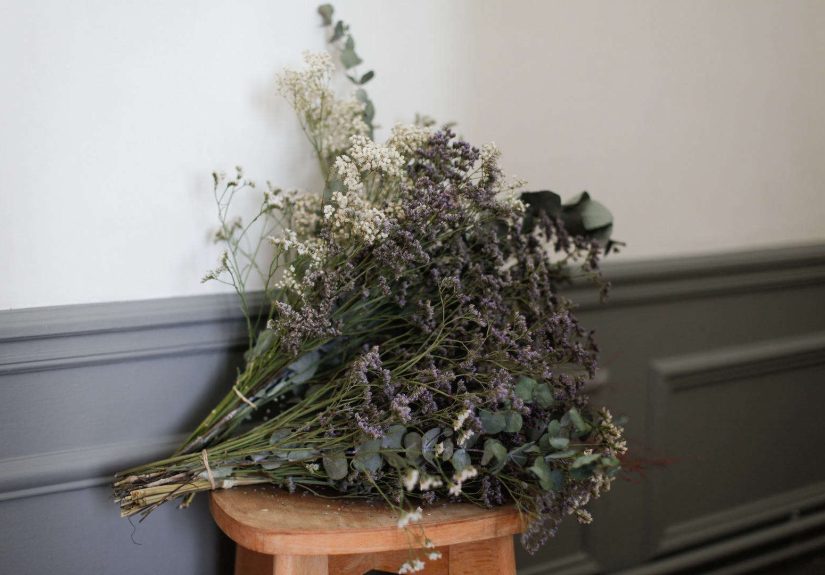
You can simplify your palette. You can mix one antique piece into a newer room. You can use dried flowers instead of overworked arrangements. You can choose linen over something shinier and more nervous. You can set a table with mismatched pieces and make it feel intentional. You can stop trying to fill every corner. And you can learn, perhaps the most French lesson of all, that atmosphere is built through small choices repeated well.
This is why the issue has staying power. It is not just a list of things to admire. It is a subtle course in how to live with better taste and less panic.
Why this issue still feels fresh
Many themed roundups age badly because they chase trends. This one does not seem interested in trend-chasing. Instead, it focuses on timeless ingredients: good materials, meaningful places, personal style, and the rituals that make a home feel alive. That is why it still reads well. French style, at its best, does not shout. It lingers.
There is also a nice emotional balance here. The issue moves from house to hotel to city guide to entertaining, which means it mirrors the full dream: live beautifully, travel beautifully, shop thoughtfully, and feed people well. It is basically a lifestyle quadrathlon, but with more bread and better chairs.
For readers who love interiors, travel, and food equally, that combination is hard to resist. The À La Francaise issue understands that style is not confined to one category. It spills from architecture into gardening, from shopping into hosting, from texture into mood. That interconnectedness is what makes the issue satisfying instead of superficial.
Experience: What it feels like to read this issue
Reading this issue feels a bit like stepping into a Sunday version of yourself. Not your usual weekday self, who is answering emails, reheating coffee, and pretending the pile of unopened boxes in the corner is a design choice. No, this is your aspirational self: the one who notices the grain in a wooden table, buys flowers for no dramatic reason, and thinks a lunch can be both simple and worthy of a cloth napkin.
The experience starts with curiosity, but it quickly shifts into something more immersive. The house in Aix-en-Provence gives you the architectural fantasy first. You imagine the pale light, the simplicity of the materials, the practical beauty of a home shaped by actual life rather than decoration for decoration’s sake. Then the forest hotel arrives and changes the tempo. Suddenly the dream is not just about how you live, but how you retreat. You can almost hear gravel underfoot and cutlery at breakfast. The mood slows down in the best way.
By the time the Paris design guide enters, the issue becomes wonderfully dangerous. It activates that very particular reader instinct to bookmark everything, even the things you cannot currently visit, buy, or explain to your family. There is pleasure in that. Paris has always had the ability to make taste feel like a treasure hunt, and a good design guide lets you join the hunt without leaving your chair. You start noticing how French style is rarely just about luxury. It is about discernment. It values the object with history, the corner with soul, the shop that feels discovered rather than marketed.
Then comes the entertaining story, and that may be the most seductive part because it is the most transferable. You do not need a Paris address to stage a better dinner. You just need a bit more editing and a bit less overproduction. The issue quietly suggests that hospitality is not about perfection. It is about making people feel relaxed in a setting that still has charm. That idea lands. It makes the whole issue feel generous rather than intimidating.
What lingers after reading is not one room or one destination, but a mood. A mood of softness, confidence, and elegance without strain. The issue nudges you toward a slower, more observant kind of living. It makes you want to clear a surface, light a candle, buy better bread, and maybe stop apologizing for wanting beauty in ordinary moments. That is the real success of À La Francaise. It does not just show you France. It shows you how to borrow a little of its rhythm and bring it home.
Conclusion
If you are deciding what to read first in this week’s À La Francaise issue, start with the Aix house for the architectural reset, follow it with the forest hotel for atmosphere, dive into the Paris guide for taste, and finish with the fête story for the practical magic. Taken together, they create a fuller portrait of French-inspired living than any single trend piece could manage.
This issue succeeds because it understands that French style is not just visual. It is experiential. It is the relationship between a room and a meal, a market and a memory, a material and a mood. It is elegance that still lets people sit down, pour a drink, and actually enjoy themselves. And honestly, in a world full of loud interiors and louder advice, that feels wonderfully refreshing.