Table of Contents >> Show >> Hide
- What Yellow Leaves Usually Mean
- Top Reasons Plant Leaves Turn Yellow (and How to Fix Each One)
- 1) Overwatering (The #1 Troublemaker)
- 2) Underwatering (The Other Watering Mistake)
- 3) Poor Drainage and “Wet Feet”
- 4) Too Little Light (A Sneaky Cause of Yellow Leaves)
- 5) Too Much Light or Sudden Light Changes
- 6) Nutrient Deficiency (or Nutrients Locked Out by pH)
- 7) Salt Buildup, Hard Water, and Fertilizer Burn
- 8) Temperature Stress, Drafts, and Low Humidity
- 9) Root-Bound Plants and Pot Size Problems
- 10) Pests and Disease
- 11) Natural Aging (Sometimes Nothing Is Wrong)
- How to Diagnose Yellow Leaves Like a Pro
- Quick Fix Checklist for Yellow Leaves
- Conclusion
- Experience Notes: Real-World Yellow-Leaf Troubleshooting (Composite Examples)
- Case 1: The “I water every Sunday no matter what” pothos
- Case 2: The peace lily in a pot with no drainage
- Case 3: The snake plant that got too much love
- Case 4: The ficus that moved from dim corner to blazing window
- Case 5: The “hungry” plant that was actually salt-stressed
- Case 6: The calathea with yellow edges during heating season
Your plant was thriving. The leaves were glossy, green, and smug. Then one morning, you noticed a yellow leaf staring back at you like a tiny botanical warning sign. Panic? Understandable. But don’t grab every fertilizer bottle in the house just yet.
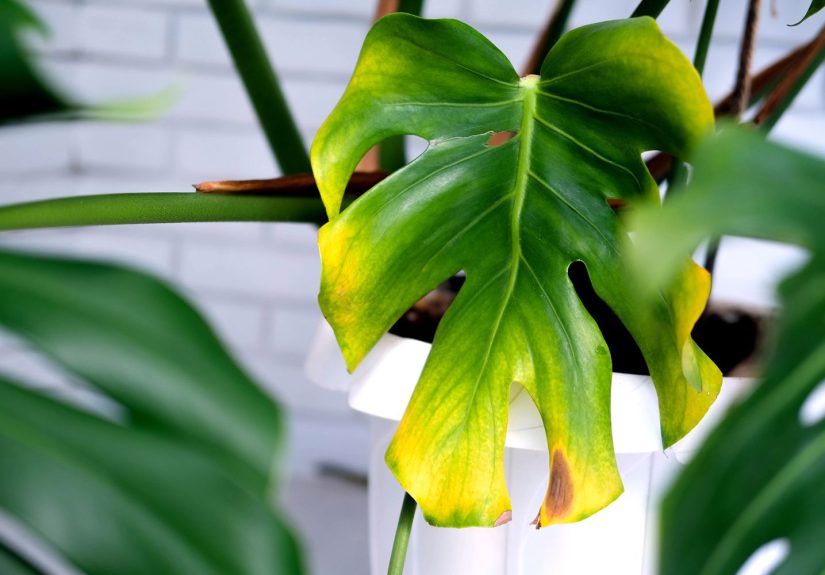
Yellow leaves (often called chlorosis when chlorophyll production is reduced) are one of the most common signs that a plant is stressed. The tricky part is that many different problems can cause the same symptom: overwatering, underwatering, poor drainage, low light, too much light, nutrient deficiencies, pests, disease, temperature swings, root damage, and even normal aging. In other words, a yellow leaf is a cluenot a full diagnosis.
The good news: plants are surprisingly honest once you know how to “read” them. The pattern of yellowing, where it starts, what the soil feels like, and what the roots look like can usually point you to the real cause. This guide will help you troubleshoot yellow leaves like a calm, capable plant detective (magnifying glass optional, dramatic soundtrack encouraged).
What Yellow Leaves Usually Mean
A leaf turns yellow when it loses chlorophyll, the green pigment that helps plants photosynthesize. Sometimes that happens because the leaf is old and the plant is naturally shedding it. Other times, the plant is struggling to absorb water, oxygen, or nutrientsor it’s dealing with stress from light, temperature, pests, or disease.
The fastest way to diagnose the issue is to look at the pattern:
- One or two older lower leaves turning yellow: often normal aging, occasional dryness, or mild nutrient depletion.
- Many leaves turning yellow at once: watering, drainage, root problems, or environmental stress.
- Yellow leaves with green veins (interveinal chlorosis): often iron-related chlorosis or other nutrient/pH issues.
- Yellowing plus wilting in wet soil: root rot risk.
- Yellowing plus spots/halos/webbing/sticky residue: pests or disease may be involved.
Top Reasons Plant Leaves Turn Yellow (and How to Fix Each One)
1) Overwatering (The #1 Troublemaker)
If houseplants had a complaint box, “Too much love” would be the top entry. Overwatering is one of the most common reasons indoor plants decline. When soil stays wet for too long, roots don’t get enough oxygen. Stressed roots stop functioning well, and leaves begin to yellow, wilt, or drop.
Common signs:
- Yellowing leaves, often lower or inner leaves first
- Wilting even though the soil is moist
- Mushy stems or foul smell near the potting mix
- Fungus gnats hovering around the soil
- Brown, soft, or fragile roots (root rot)
How to fix it:
- Stop watering on a schedule. Check soil moisture first.
- Let the root zone dry appropriately for that plant species.
- Make sure the pot has drainage holes.
- Empty decorative cachepots and saucers after watering.
- If root rot is present, trim damaged roots and repot in fresh, well-draining mix.
Pro tip: “Wilted” does not always mean “thirsty.” A plant with rotting roots can’t move water properly, so it may wilt in soggy soil.
2) Underwatering (The Other Watering Mistake)
On the flip side, dry soil for too long can also cause yellowing. When a plant is repeatedly allowed to become bone dry, it sheds older leaves to conserve resources. You may see yellowing first, then crisp edges, browning, and leaf drop.
Common signs:
- Dry, lightweight pot
- Soil pulling away from the edges of the pot
- Yellowing lower leaves with crispy tips or margins
- Drooping that improves quickly after watering
How to fix it:
- Water thoroughly until excess drains out.
- If the mix is very dry and hydrophobic, water slowly or bottom-water once, then let excess drain.
- Create a consistent watering rhythm based on the plant’s needs, pot size, and season.
- Increase humidity for tropical plants if the air is very dry.
3) Poor Drainage and “Wet Feet”
Even if your watering frequency is reasonable, poor drainage can create the same symptoms as overwatering. Pots without drainage, compacted soil, clogged drainage holes, or decorative sleeves holding water can all trap moisture around roots.
Think of it like wearing soggy socks for a week. Roots are not fans.
How to fix it:
- Use containers with drainage holes.
- Check that the drainage hole isn’t blocked by roots or compacted mix.
- Repot if the potting mix is old, dense, or broken down.
- Never let the pot sit in standing water for long periods.
4) Too Little Light (A Sneaky Cause of Yellow Leaves)
Plants need light to make food. If a plant gets less light than it needs, it may produce pale, weak growth and yellow leaves. In low light, the plant may also become “leggy” with long stems and widely spaced leaves.
Common signs:
- Pale green to yellow foliage
- Slow growth
- Stretched stems leaning toward a window
- Leaf drop on shaded lower portions
How to fix it:
- Move the plant to brighter appropriate light (often bright indirect light for tropical houseplants).
- Rotate the pot regularly for even growth.
- Use grow lights if natural light is limited.
- Do not try to compensate for low light with extra fertilizerthis usually backfires.
5) Too Much Light or Sudden Light Changes
Yes, plants can also get too much of a good thing. Harsh direct sunespecially after a sudden movecan scorch leaves and lead to yellowing, bleached patches, or crispy damage. Some plants yellow because they’re in the wrong window, not because they’re underfed.
How to fix it:
- Match the plant to the light level (succulent vs. fern is a very different story).
- Acclimate plants gradually when moving them to brighter conditions.
- Use sheer curtains to diffuse intense afternoon sun.
6) Nutrient Deficiency (or Nutrients Locked Out by pH)
Yellow leaves can signal nutrient deficiency, but the pattern matters. For example, iron deficiency often shows up as yellowing between veins while the veins remain green (interveinal chlorosis), often on newer leaves. Nitrogen deficiency more often causes general yellowing, commonly starting on older leaves.
Sometimes the soil contains nutrients, but the plant still can’t access them because of pH issues or damaged roots. In alkaline conditions, iron becomes less available, which is why chlorosis can show up even when you’re fertilizing.
How to fix it:
- Review your fertilizing routine (too little, too much, or too frequent can all cause problems).
- Use a balanced fertilizer appropriate for indoor plants, following label directions.
- Repot periodically in fresh potting mix to refresh nutrients and improve structure.
- If iron chlorosis is suspected, use a chelated iron product labeled for houseplants and check whether the plant prefers more acidic conditions.
- Address root health and drainage firstfertilizer won’t rescue damaged roots.
7) Salt Buildup, Hard Water, and Fertilizer Burn
White crust on the soil or pot rim? That’s often salt buildup from fertilizer or mineral-heavy water. Excess salts can damage roots and cause yellowing, browning tips, wilting, and poor growth. Some houseplants are also sensitive to fluoride or chlorine in tap water.
How to fix it:
- Flush the potting mix occasionally by watering thoroughly and letting excess drain away.
- Do not let the pot sit in drained water and reabsorb it.
- Reduce fertilizer strength/frequency (especially indoors).
- Repot if salt crust is severe.
- If your plant is sensitive, try rainwater, filtered water, or let tap water sit out before use (where appropriate).
8) Temperature Stress, Drafts, and Low Humidity
Tropical houseplants like consistency. Cold drafts from windows, hot blasts from vents, rapid temperature swings, and very dry indoor air can stress foliage and cause yellowing, browning edges, or leaf drop.
Common signs:
- Yellowing after placing a plant near a drafty window or heat register
- Brown tips/margins in dry indoor air
- Sudden leaf drop after a cold snap or transport shock
How to fix it:
- Keep plants away from HVAC vents, fireplaces, and drafty doors/windows.
- Group plants to create a humid microclimate.
- Use pebble trays or a humidifier for humidity-loving plants.
- Avoid splashing cold water on sensitive foliage.
9) Root-Bound Plants and Pot Size Problems
A pot-bound plant can yellow and wilt because there’s too little soil left to hold moisture and nutrients. The roots may circle tightly, making watering less effective. On the other hand, an overly large pot can hold too much moisture and encourage root rot.
How to tell:
- Roots circling densely around the root ball
- Roots pushing through drainage holes
- Plant dries out much faster than usual
- Stunted growth despite care
How to fix it:
- Repot up only 1–2 inches in diameter (don’t jump to a huge pot).
- Loosen circling roots gently when repotting.
- Use a potting mix suited to the plant type (orchids, succulents, aroids, etc.).
10) Pests and Disease
If the yellowing doesn’t match a watering or light issue, check closely for pests and disease. Sap-sucking pests (like mites, scale, aphids, mealybugs, and whiteflies) can cause yellowing, pale leaves, distortion, or sticky residue. Fungal and bacterial leaf spots may create yellow halos around lesions. Root diseases can cause yellowing plus wilt in wet soil.
What to look for:
- Webbing (mites)
- Sticky leaves or cottony clusters (mealybugs)
- Tiny hard bumps on stems/leaves (scale)
- Pale yellowing and flying white insects (whiteflies)
- Spots with yellow halos (leaf spot diseases)
- Mushy roots and bad smell (root rot)
How to fix it:
- Isolate the plant.
- Remove badly affected leaves.
- Improve air circulation and avoid wetting leaves unnecessarily.
- Treat pests promptly with appropriate methods (mechanical removal, horticultural soap/oil, etc., according to label directions).
- Repot if root rot or severe soil issues are present.
11) Natural Aging (Sometimes Nothing Is Wrong)
Not every yellow leaf is a crisis. Plants naturally shed older leaves, especially lower leaves that get less light. If the plant is actively growing and only an occasional old leaf turns yellow, that’s usually normal. Think of it as the plant’s version of cleaning out a closet.
If the yellowing is isolated and new growth looks healthy, you can simply prune the yellow leaf and move on with your day.
How to Diagnose Yellow Leaves Like a Pro
Step 1: Check the soil moisture
Stick a finger into the potting mix (or use a moisture meter if you prefer). Is it soggy, evenly moist, or bone dry? This immediately narrows down watering and root issues.
Step 2: Inspect the pattern of yellowing
Older leaves first? New leaves first? Yellow between veins? Spotty patches? This helps distinguish aging, nutrient deficiency, pH-related chlorosis, and disease/pests.
Step 3: Evaluate light conditions
Has the plant been moved recently? Is it far from a window? Is it getting blasted by direct sun? Light mismatch causes a surprising number of “mystery” yellow leaves.
Step 4: Check the roots (if symptoms are widespread)
Gently slide the plant out of the pot. Healthy roots are usually firm and light-colored. Rotting roots are often brown, mushy, fragile, or foul-smelling. A tightly packed root ball may indicate the plant is root-bound.
Step 5: Inspect for pests and disease
Look under leaves, along stems, and at the crown. Tiny insects, webbing, sticky residue, or leaf spots with halos can change your diagnosis completely.
Step 6: Review your recent care changes
Did you fertilize heavily? Repot recently? Move the plant to a brighter window? Turn on a heater for the season? Plants often react to care changes with a short lag, so the problem may not be what you did todaybut what happened last week.
Quick Fix Checklist for Yellow Leaves
- ✅ Stop guessing and inspect the soil first
- ✅ Ensure the pot has drainage holes
- ✅ Adjust watering to the plant and season
- ✅ Match the plant to the right light level
- ✅ Repot if soil is compacted, salty, or roots are rotting/crowded
- ✅ Feed appropriately (not too much, not too little)
- ✅ Check pH/nutrient issues if interveinal chlorosis appears
- ✅ Inspect for pests, especially under leaves
- ✅ Protect from drafts, extreme temperatures, and very dry air
- ✅ Remove fully yellow leavesthey won’t turn green again
Conclusion
Yellow leaves are your plant’s way of waving a little flag and saying, “Hey, something’s off.” The solution is rarely random fertilizer and good intentions. It’s observation: soil moisture, drainage, light, root health, pests, and the pattern of yellowing. Once you identify the real cause, most plants can bounce back beautifully.
So the next time you spot a yellow leaf, don’t panic and don’t overcorrect. Put on your plant detective hat, check the clues, and make one smart adjustment at a time. Your plant may not send a thank-you note, but fresh green growth is basically the same thing.
Experience Notes: Real-World Yellow-Leaf Troubleshooting (Composite Examples)
To make this guide more practical, here are experience-based composite scenarios that reflect common yellow-leaf problems plant owners run into. These are not personal anecdotes, but they mirror real troubleshooting patterns that happen all the time in homes, apartments, and offices.
Case 1: The “I water every Sunday no matter what” pothos
A pothos started yellowing leaf after leaf, mostly near the base. The owner swore they were “consistent,” which sounded responsibleuntil we learned the plant was being watered on the same day every week regardless of season, temperature, or soil moisture. In winter, the potting mix stayed damp too long, the roots lost oxygen, and yellowing accelerated. The fix was simple: stop calendar watering, check the soil first, and let the top layer dry before watering again. A month later, the yellowing slowed dramatically and new growth came in green.
Case 2: The peace lily in a pot with no drainage
This one looked like a mystery because the owner said, “I barely water it!” Truebut the pot had no drainage hole. Even small amounts of water collected at the bottom, and the roots stayed wet. Leaves yellowed, then drooped, then a sour smell appeared in the soil. Once the plant was moved into a container with drainage and repotted into fresh mix, the roots could breathe again. Not every leaf was saved, but the plant recovered.
Case 3: The snake plant that got too much love
Snake plants are often sold as “easy,” which accidentally convinces people they need frequent care. One owner watered theirs like a fern. The leaves turned yellow and soft near the base. Because snake plants store water, they need a dry-down period between waterings. After reducing watering frequency and increasing light slightly, the plant stabilized. Lesson learned: “easy plant” does not mean “water often.”
Case 4: The ficus that moved from dim corner to blazing window
A ficus was relocated from a low-light office corner to a bright south-facing window in one weekend. The owner expected gratitude. The ficus responded with yellow leaves and some scorched patches. This wasn’t a fertilizer issue at allit was sudden light stress. After moving it a little farther from the glass and acclimating it gradually, the plant adjusted. Plants like change about as much as most people like surprise meetings.
Case 5: The “hungry” plant that was actually salt-stressed
A philodendron with yellowing and brown tips seemed nutrient-deficient at first glance, so the owner added more fertilizer. The symptoms got worse. The soil surface developed a white crust, and the pot rim looked chalky. The real problem was salt buildup from repeated fertilizing. The solution was to flush the soil thoroughly, cut back fertilizer strength, and eventually repot. New leaves came in healthier once the root zone was no longer overloaded.
Case 6: The calathea with yellow edges during heating season
The plant looked fine in summer, then winter arrived and the home heating system turned the air dry. Yellowing and browning edges appeared, especially on newer leaves. The owner thought it was disease. In reality, the plant was reacting to low humidity and nearby warm airflow. Moving it away from the vent, grouping it with other plants, and using a humidifier made a visible difference within weeks.
The common thread in all these scenarios? Yellow leaves were a symptom, not the diagnosis. The win came from slowing down, observing the pattern, and fixing the root cause instead of guessing. That approach works far better than panic-pruning and emergency fertilizer “cocktails.”