Table of Contents >> Show >> Hide
- First, What Are Lawn Mushrooms (and Why Do They Appear “Overnight”)?
- Why Mushrooms Are Usually a Good Sign
- So… Are Mushrooms Ever Bad News?
- The Fairy Ring Situation: The Most Misunderstood Lawn “Mystery Circle”
- Should You Remove Mushrooms? A Pro’s Practical Take
- How to Reduce Mushrooms Without Wrecking Your Lawn’s Health
- Safety: The “Look, Don’t Taste” Rule (Especially for Pets)
- Quick Myth-Busting: What Mushrooms in Your Lawn Do (and Don’t) Mean
- Bottom Line: A Lawn With Mushrooms Is Usually a Lawn With Life
- Extra: Real-World “Experience” Notes Pros Hear All the Time (Plus What Usually Works)
- 1) “They showed up right after I finally got my lawn looking good.”
- 2) “They’re always in the same spotlike the mushrooms have a lease.”
- 3) “My neighbor says I should spray something.”
- 4) “My dog is obsessed. I’m scared.”
- 5) “They’re everywhere after a raindoes that mean my soil is ‘too rich’?”
- 6) “The grass is greener in a ring. Should I fertilize that spot?”
If you’ve ever stepped outside after a rainy night and found your lawn dotted with little “garden umbrellas,” you’ve probably had two immediate thoughts: (1) Where did these come from?! and (2) Is my yard… okay?
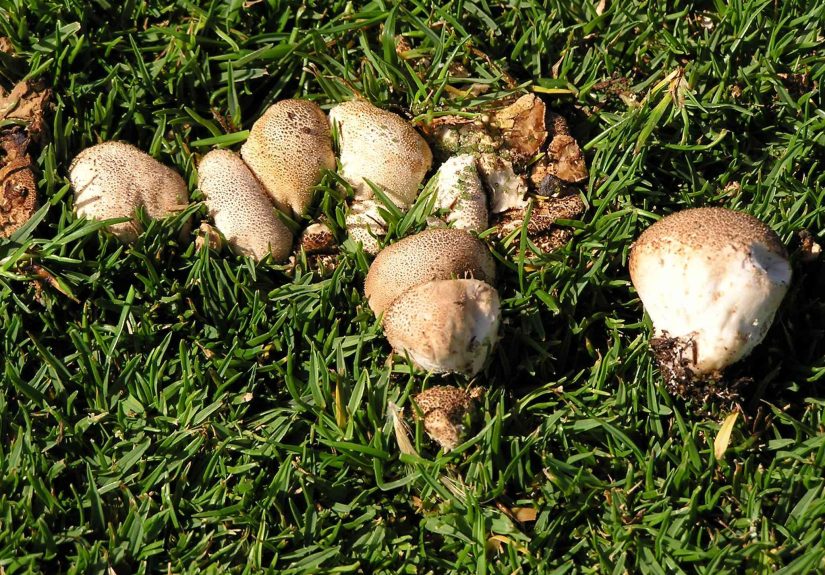
Here’s the twist: in most cases, mushrooms in your lawn aren’t a red alert. They’re more like your soil’s way of waving a tiny flag that says, “Hey! Down here, things are alive and working.” Lawn pros and university extension experts tend to agreemushrooms usually mean your yard has organic material to break down, moisture to support life, and a functioning underground ecosystem.
Think of mushrooms as the confetti poppers of the soil world: the real party is happening underground, and what you see above ground is just the brief celebration.
First, What Are Lawn Mushrooms (and Why Do They Appear “Overnight”)?
Mushrooms are the visible, above-ground fruiting bodies of fungi. The main body of the fungusthe myceliumlives in the soil as a network of threadlike strands. When conditions are right (usually moisture + mild temperatures + a food source), the fungus produces mushrooms to release spores.
That “overnight” feeling is real: the underground mycelium can be established for a long time, and then a stretch of wet weather flips the switch. Suddenly, your lawn looks like it hosted a tiny fungal convention while you slept.
Common triggers for a mushroom pop-up
- Rain or overwatering that keeps the soil damp for extended periods
- Shade that slows evaporation
- Organic matter in the soil: thatch, old roots, buried wood, leaf litter, mulch carryover
- Warm days + cool nights that create ideal humidity at turf level
Why Mushrooms Are Usually a Good Sign
A “perfect” lawn isn’t sterileit’s a living system. When mushrooms show up, it often means your soil is doing the behind-the-scenes work that supports greener, thicker turf over time. Here’s what the pros love about them.
1) They’re nature’s recycling team (nutrient cycling)
Fungi are elite decomposers. They break down dead organic materialthings like old tree roots, buried lumber scraps from construction, thick thatch, and fallen leavesand turn it into nutrients plants can actually use.
Translation: mushrooms often indicate your soil contains organic “food,” and something is actively converting it into a form your grass can benefit from. That’s not gross. That’s efficient.
2) They can signal soil rich in organic matter
Organic matter is a big deal in lawn health. It improves soil structure, supports beneficial microbes, and helps the ground hold onto nutrients and moisture more evenly. Mushrooms commonly appear where organic matter is highersometimes because the lawn is genuinely healthy, and sometimes because there’s a hidden buffet like a decaying stump below the surface.
3) Fungal networks help build better soil structure
Mycelium isn’t just sitting there. Those threadlike strands can help bind soil particles together into aggregatesbasically improving the soil’s “crumb” structure. Better structure means better pore space for air and water movement, which supports roots and reduces compaction issues over time.
4) They’re a sign your lawn ecosystem has biodiversity
Healthy soil hosts bacteria, fungi, insects, earthworms, and other organisms that keep nutrients moving through the system. Mushrooms can feed insects and microfauna, which then become food for birds and beneficial predators. It’s not a horror movieit’s a food web.
So… Are Mushrooms Ever Bad News?
Occasionally, yesbut not because the mushrooms are “attacking” your grass like a tiny fungal army. The more common issue is that mushrooms can show up alongside conditions you might want to improve, like excess moisture, poor drainage, or thick thatch.
When mushrooms are a helpful clue (not the culprit)
- Overwatering: If mushrooms appear constantly, your lawn may be staying too wet.
- Poor drainage: Compacted soil or low spots can create soggy zones fungi love.
- Too much shade: Wet + shaded turf is basically “fungus-friendly housing.”
- Hidden buried wood: Old roots, stumps, or construction debris can fuel recurring flushes.
In other words, mushrooms are often the smoke, not the fire. They’re telling you what the environment is like down at ground level.
The Fairy Ring Situation: The Most Misunderstood Lawn “Mystery Circle”
If your mushrooms appear in arcs or perfect circlesbonus points if the grass is darker green in a ringyou may be seeing a fairy ring. Despite the folklore, the cause is simple: fungal growth expands outward, feeding on organic matter and sometimes releasing nutrients (often nitrogen) in a ring pattern.
What fairy rings can look like
- A circle of mushrooms with otherwise normal grass
- A ring of extra-green, fast-growing grass (hello, nitrogen effect)
- Less commonly, a brown or thinning ring where water infiltration is disrupted
On most home lawns, fairy rings are mainly cosmetic. The “bad” versions are more common on intensely managed turf (think golf greens) than on average backyards, but it’s still worth paying attention to watering and aeration if you see repeated rings.
Should You Remove Mushrooms? A Pro’s Practical Take
If mushrooms don’t bother you and no one in your household is likely to eat themkids, dogs, curious relatives who think they’re starring in a foraging documentaryyou can usually leave them alone. They often disappear when conditions dry out.
When removal makes sense
- Pets or small children might ingest them
- You’re hosting an event and want the lawn to look tidier
- You want to reduce spore spread for aesthetic reasons
How to remove them safely (without starting a lawn war)
- Pick or rake visible mushrooms and bag them (don’t compost them if you’re trying to reduce repeats)
- Mow only if you’re okay with potentially spreading spores (it’s not dangerous; just not “control-focused”)
- Wear gloves if you have cuts on your hands, and wash up afterward
What usually doesn’t work well: blasting mushrooms with fungicide. The visible mushroom is just the fruiting bodyspraying it is like watering a tree’s leaf and expecting the roots to move out.
How to Reduce Mushrooms Without Wrecking Your Lawn’s Health
If you’d rather see less “lawn fungi fashion week,” focus on changing the conditions that encourage mushroomsmainly excess moisture and too much decomposing organic material at the surface.
1) Fix the moisture story
- Water deeply, less often so roots grow down instead of hovering near the surface
- Water early in the morning to reduce prolonged overnight dampness
- Check irrigation coverage so shady areas aren’t getting the same soak as sunny zones
2) Improve drainage and airflow
- Core aerate compacted areas to help water move through the soil
- Topdress lightly with compost or quality soil if you’re correcting structure (go easytoo much can add organic material fast)
- Address low spots where water pools
3) Manage thatch (the hidden mushroom buffet)
A thin thatch layer is normal. A thick, spongy layer is an all-you-can-eat decomposition zone. If your lawn feels bouncy underfoot or water sits on the surface, dethatching or aeration can help. Many homeowners find that once thatch is under control, mushroom flushes become less frequent.
4) Deal with buried wood when possible
If mushrooms always appear in the same spotespecially near where a tree used to bethere may be decaying roots or an old stump below. You don’t have to excavate your yard like an archaeologist, but if you’re already doing landscape work, removing buried wood debris can reduce recurring mushroom blooms.
Safety: The “Look, Don’t Taste” Rule (Especially for Pets)
Most lawn mushrooms are harmless to your grass, but that doesn’t mean they’re safe to eat. Identification is tricky, and some toxic mushrooms can look surprisingly ordinary. The safest policy is simple: don’t eat mushrooms from your lawn unless an expert has identified them.
If you have a dog that treats the yard like an all-day snack bar, remove visible mushrooms promptly, supervise outdoor time during wet periods, and talk to your vet immediately if ingestion is suspected and your pet shows symptoms.
Quick Myth-Busting: What Mushrooms in Your Lawn Do (and Don’t) Mean
Myth: “Mushrooms mean my lawn has a disease.”
Most of the time, mushrooms are not a turf diseasethey’re a sign of fungi doing decomposition work. Lawn diseases more often show up as spreading patches, leaf lesions, or thinning patterns tied to specific pathogens.
Myth: “If I remove the mushrooms, I solved the problem.”
Removing mushrooms removes the visible part, but the fungus remains in the soil. If conditions stay wet and organic matter is available, mushrooms can return. Think of removal as “tidying,” not “eradication.”
Myth: “Mushrooms are always bad for kids and pets to touch.”
Touching mushrooms is generally not the same risk as eating them. Still, good hygiene matters: wash hands afterward, and avoid handling if you have open cuts.
Bottom Line: A Lawn With Mushrooms Is Usually a Lawn With Life
If mushrooms pop up in your grass, your lawn isn’t failingit’s functioning. In most cases, mushrooms are the sign of active soil biology breaking down organic matter and cycling nutrients. If you want fewer mushrooms, focus on moisture management, thatch control, and drainage improvementsnot panic.
And if nothing else, enjoy the brief moment when your yard looks like it has tiny garden lamps. They’ll likely vanish as quickly as they appearedleaving behind a little more processed organic matter and a soil ecosystem quietly doing its job.
Extra: Real-World “Experience” Notes Pros Hear All the Time (Plus What Usually Works)
Homeowners tend to describe lawn mushrooms with the same mix of confusion and betrayallike the yard has been sneaking out at night. Based on what lawn professionals and extension offices commonly see and hear, here are some of the most frequent “mushroom moments,” along with the practical takeaways that usually help.
1) “They showed up right after I finally got my lawn looking good.”
This is extremely common. People improve their lawn with better watering, fertilization, and maybe a little compost topdressingthen mushrooms appear and it feels like a punishment. In reality, the timing makes sense: better lawn care often increases organic inputs (more roots, more clippings, more microbial activity). Add a rainy week and fungi take advantage of the moisture to fruit. The “good lawn” didn’t cause a problem; it created a stable, living system that can support decomposers.
What usually helps if you want fewer mushrooms: shift watering to mornings, check shaded areas for sogginess, and avoid watering on autopilot when you’ve already had soaking rain.
2) “They’re always in the same spotlike the mushrooms have a lease.”
When mushrooms repeatedly appear in one location, pros often suspect a steady food source undergroundold roots, a buried stump, a decaying log, or leftover construction wood. This can happen years after a tree was removed, because roots decompose slowly and fungi are very patient tenants. If the spot is also shaded or collects water, it becomes the ideal recurring stage for mushroom fruiting.
What usually helps: you don’t necessarily need to dig up your yard, but aeration and drainage improvements can reduce repeated flushes. If you’re already doing landscape work, removing buried wood debris in that zone can be a long-term fix.
3) “My neighbor says I should spray something.”
The urge to “kill it with a product” is understandable, but mushrooms are rarely a chemical-control success story. Even when a fungicide impacts surface fungi, it doesn’t magically remove the organic matter fueling the growth, and it can be counterproductive if you’re trying to build a healthier soil ecosystem. Most pros steer homeowners toward cultural changes because they address the real drivers: moisture + organic material + shade/poor airflow.
What usually helps: dethatch if your lawn is spongy, aerate compacted areas, and keep leaf litter and heavy debris from accumulating.
4) “My dog is obsessed. I’m scared.”
This one matters. Even though mushrooms are usually harmless to turf, ingestion risk changes the game. Many extension offices emphasize that wild mushroom ID is difficult, and some toxic mushrooms are deceptively plain-looking. In a pet household, the most practical approach is simple: remove visible mushrooms promptly during high-risk weeks (wet, humid stretches), supervise outdoor time, and keep your vet’s number handy just in case.
What usually helps: pick and bag mushrooms as soon as you see them, and adjust irrigation so the lawn doesn’t stay damp overnight. If mushrooms are a daily occurrence, look hard at drainage, overwatering, and thatch.
5) “They’re everywhere after a raindoes that mean my soil is ‘too rich’?”
A mushroom explosion after rain doesn’t automatically mean you have “too much” organic matter; it often means you have enough organic matter and the weather provided ideal fruiting conditions. Many lawns have pockets of organic material (like areas with more thatch or where leaves collected) that respond dramatically to moisture. In these cases, mushrooms can be a short-lived indicator that the soil food web is active.
What usually helps: if you like what mushrooms represent but not the look, treat them like dandelion bloomstemporary and manageable. Pick what you see, improve airflow with pruning, and let the soil do its work.
6) “The grass is greener in a ring. Should I fertilize that spot?”
A green ring often means nitrogen is being released as fungi decompose organic matter. The ring looks like your lawn got a secret bonus feeding. Fertilizing only the ring can actually make the contrast worse over time. The better move is to keep your overall fertilization and mowing consistent so the rest of the lawn catches up in color and density. If the ring is accompanied by dry, thinning turf, focus on water infiltration (aeration and deeper watering) rather than extra fertilizer.
The big takeaway from these “experience” patterns: mushrooms are usually a symptom of conditionsnot a villain. And most of the fixes that reduce mushrooms (better watering habits, less thatch, improved drainage) also make lawns stronger and more resilient. Which is a rare win-win in homeownership.